
Tolls Climb, Ballots Loom: Chicago Rolls Into Summer
By: Thom Serafin
July 23, 2026

Chicago enters mid‑summer with major transportation proposals, long‑term city contracts under review, and a political calendar already shaping the year ahead. At the same time, residents are embracing the season’s energy — from lakefront activity to baseball excitement — while keeping an eye on how friends, colleagues, and communities are navigating daily life. This month’s Power Poll asks civic, business, and community leaders to weigh in on several issues influencing mobility, governance, and Chicago’s summer rhythm.
1 – Illinois policymakers once anticipated that tolls on the Illinois Tollway could be eliminated once the original construction bonds were paid off, with early projections pointing to around 1973. Instead, the Tollway has continued as a permanent toll system and is now proposing increases to passenger and commercial toll rates, raising many passenger tolls by approximately 45 cents and commercial tolls by as much as 30%. What is your overall opinion of this proposed increase and its potential impact on commuters, businesses, and regional transportation?
3% – Very positive impact
11% – Somewhat positive impact
20% – No significant impact
34% – Somewhat negative impact
32% – Very negative impact
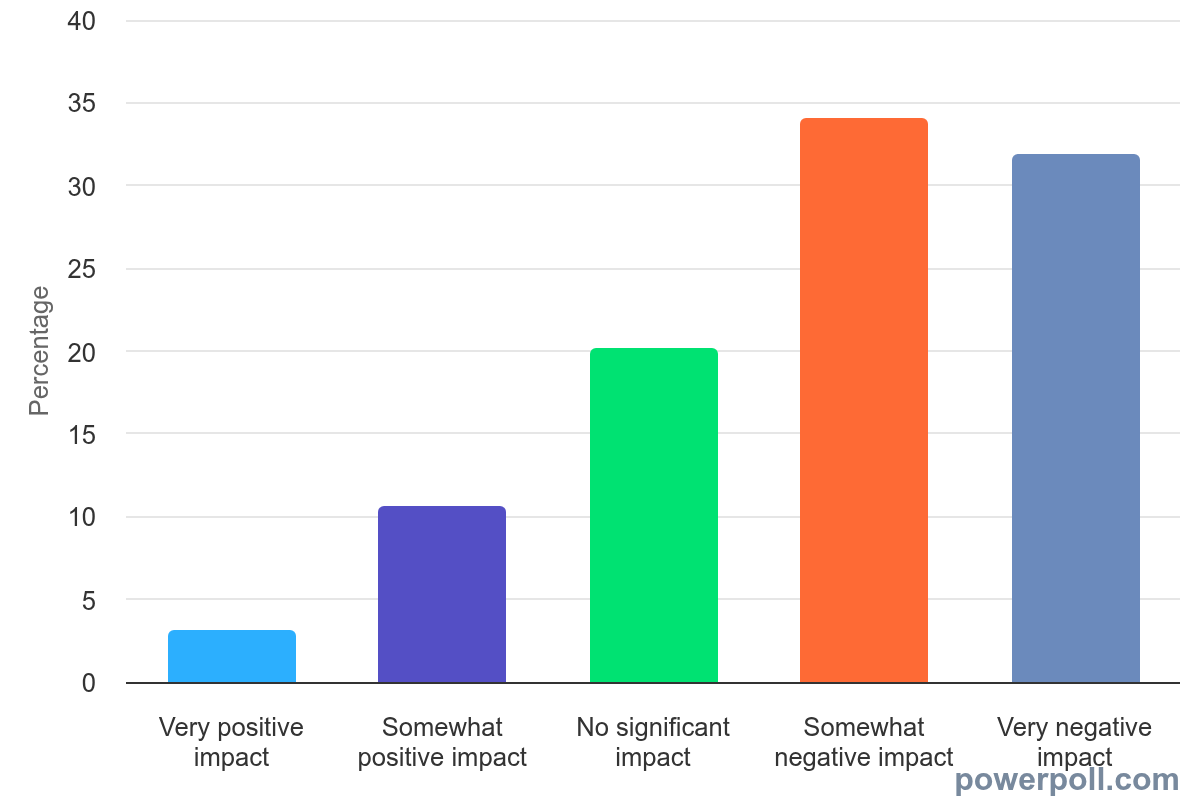
A proposal built more than half a century after tolls were first supposed to disappear is not landing well with our Power Pollers. A combined 66% of respondents describe the increase as somewhat or very negative, with the very negative category alone drawing nearly a third of all responses. Only 14% see any positive impact, and just one in five expect no significant effect at all. The reaction reads less like sticker shock over 45 cents and more like accumulated frustration with a toll system that was never supposed to be permanent in the first place. For a region where daily commuters and freight-dependent businesses both rely on the Tollway, the size of the commercial increase appears to be weighing heavily on how people view the proposal as a whole.
2 – Candidates seeking to run for Mayor of Chicagointhe February 23, 2027, municipal election must file nominating petitions by October 26, 2026. As a result, some individuals may file to run for mayor while also appearing on the November 3, 2026, general election ballot as candidates for reelection to their current office. Does this practice affect your view of a candidate’s sincerity, focus, and commitment to taxpayers?
2% – Significantly increases my confidence
0% – Somewhat increases my confidence
44% – No impact on my confidence
29% – Somewhat decreases my confidence
25% – Significantly decreases my confidence
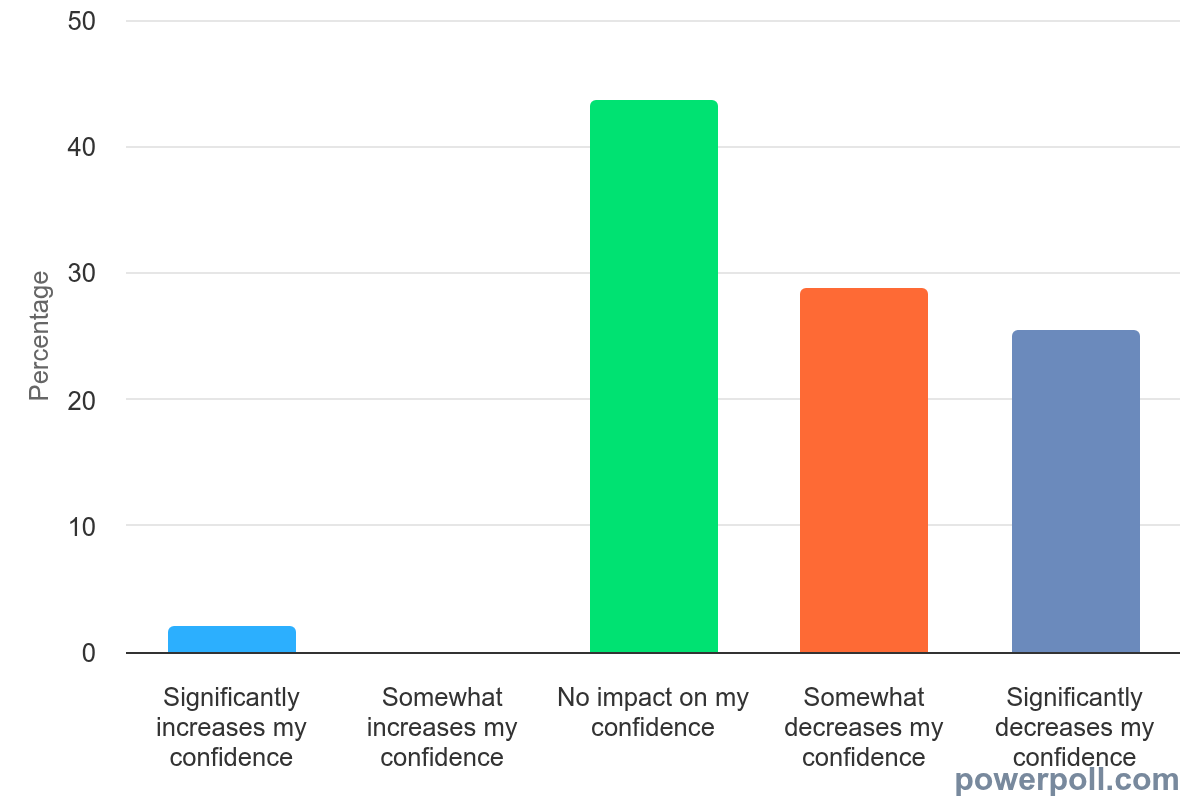
Plurality opinion among our respondents holds that running for two offices at once does not change how respondents view a candidate, but that plurality is not a majority. A combined 54% say the practice somewhat or significantly decreases their confidence in a candidate’s sincerity and focus, while not a single respondent said it somewhat increases their confidence, and only 2% said it significantly does. The overlap between the October filing deadline and the November general election ballot appears to read, for more than half of respondents, as a hedge rather than a commitment. Whether that skepticism follows any specific candidate remains to be seen, but the practice itself is clearly not viewed as a neutral or strategic non-issue by most of the region’s decision-makers.
3 – Chicago’s summer season is in full swing, with festivals, lakefront activities, rooftop dining, and neighborhood events drawing crowds across the city. Which summer activity best reflects how you enjoyChicagothis time of year?
13% – Arts and culture – theater, museums, concerts
35% – Dining out – rooftops, patios, and new restaurants
15% – Lakefront time – beaches, biking, walking the trail
16% – Neighborhood festivals and street fairs
8% – Weekend getaways – escaping to Michigan
13% – Weekend getaways – escaping to Wisconsin

Our Chicago’s decision-makers are, above all else, eating out. Dining on rooftops and patios pulled more than a third of all responses, easily outpacing every other option. Neighborhood festivals and lakefront time follow at a respectable distance, and arts and culture events hold their own alongside weekend getaways to Wisconsin. Michigan getaways trail the field, suggesting that when respondents do leave the city for the weekend, Wisconsin currently has the edge. Taken together, the results describe a summer spent mostly in the city rather than away from it, with the restaurant scene doing much of the work of drawing people out.
4 – Major League Baseball’s All-Star break is now in therear viewmirror. Both Chicago teams are fighting for their division titles, with the biggest surprise being the White Sox leading the American League Central, while the Cubs, after significant off-season spending, sit behind the Milwaukee Brewers in second place in the National League Central. How much does this season’s excitement add to your enjoyment of summer in Chicago?
42% – A lot. Both teams chasing a pennant makes summer more fun
28% – Some, I’m enjoying following the Sox and Cubs this year
14% – A little, I check in occasionally
10% – Not much, baseball isn’t a big part of my summer
6% – None, I don’t follow baseball

Two Chicago teams in playoff contention is translating directly into summer enjoyment. A combined 70% say the season adds a lot or some to how they are enjoying the summer, and only 6% report no interest in baseball at all. The White Sox sitting atop the American League Central is clearly part of the story here, and a Cubs roster built through significant off-season spending still chasing the Brewers appears to be keeping fans engaged rather than discouraged. Compared to some of the frustration expressed elsewhere in this month’s poll, baseball stands out as one of the more unambiguously positive threads running through the city’s summer.
5 – Everyone seems stressed today. Thinking about the people closest to you, how would you describe their overall sense of well-being and enjoyment of daily life these days?
4% – Very high, most of my friends seem to be doing well
26% – High, my friends generally seem to be in a good place
48% – Moderate, some friends are doing well, others are having tougher days
16% – Low, many of my friends seem to be facing challenges
6% – Very low, most of my friends seem to be struggling right now

Nearly half of respondents describe a mixed picture among the people closest to them, with some friends doing well and others facing tougher days. That moderate middle is by far the largest response, but the tails are worth noting too. Only 4% describe their friend group as doing very well across the board, while 22% describe things as low or very low. Combined with the 30% who describe their friends as being in a high or very high place, the overall picture is one of a region where wellbeing varies widely from household to household, even among a group of respondents who are, by most measures, faring well themselves.
The Takeaway
This month’s Power Poll captures a familiar Chicago balancing act. Respondents are clear-eyed about rising costs and are not shy about their skepticism when political ambition and public office start to overlap. Tollway increases drew a lopsided negative reaction, and the practice of filing for mayor while holding another elected seat left most respondents with lowered confidence rather than none at all. Yet the same group that voiced those frustrations also described a summer full of rooftop dinners, lakefront afternoons, and pennant races worth following. Baseball in particular stands out as a genuine source of civic joy this year, with both Chicago teams in playoff contention. Personal wellbeing among friends and family lands mostly in the middle, a reminder that even in a summer with plenty to enjoy, plenty of people are still working through harder days. Overall, Chicago’s decision-makers are managing to hold both realities at once: real frustration with costs and political maneuvering, and real appreciation for what the season has to offer.
The Serafin Power Poll sponsored by Mercury Public Affairs captures the perspectives of regional decision-makers and thought leaders in the Chicago metropolitan area. While not a scientific survey, it offers a clear and insightful gauge of prevailing sentiments, much like a reliable weathervane tracking the direction of Chicago’s winds.
Share this Post
